
October 28, 2026 · Crafthomed Test
The Polo Shirt: A Guide to Its Origins and Evolution
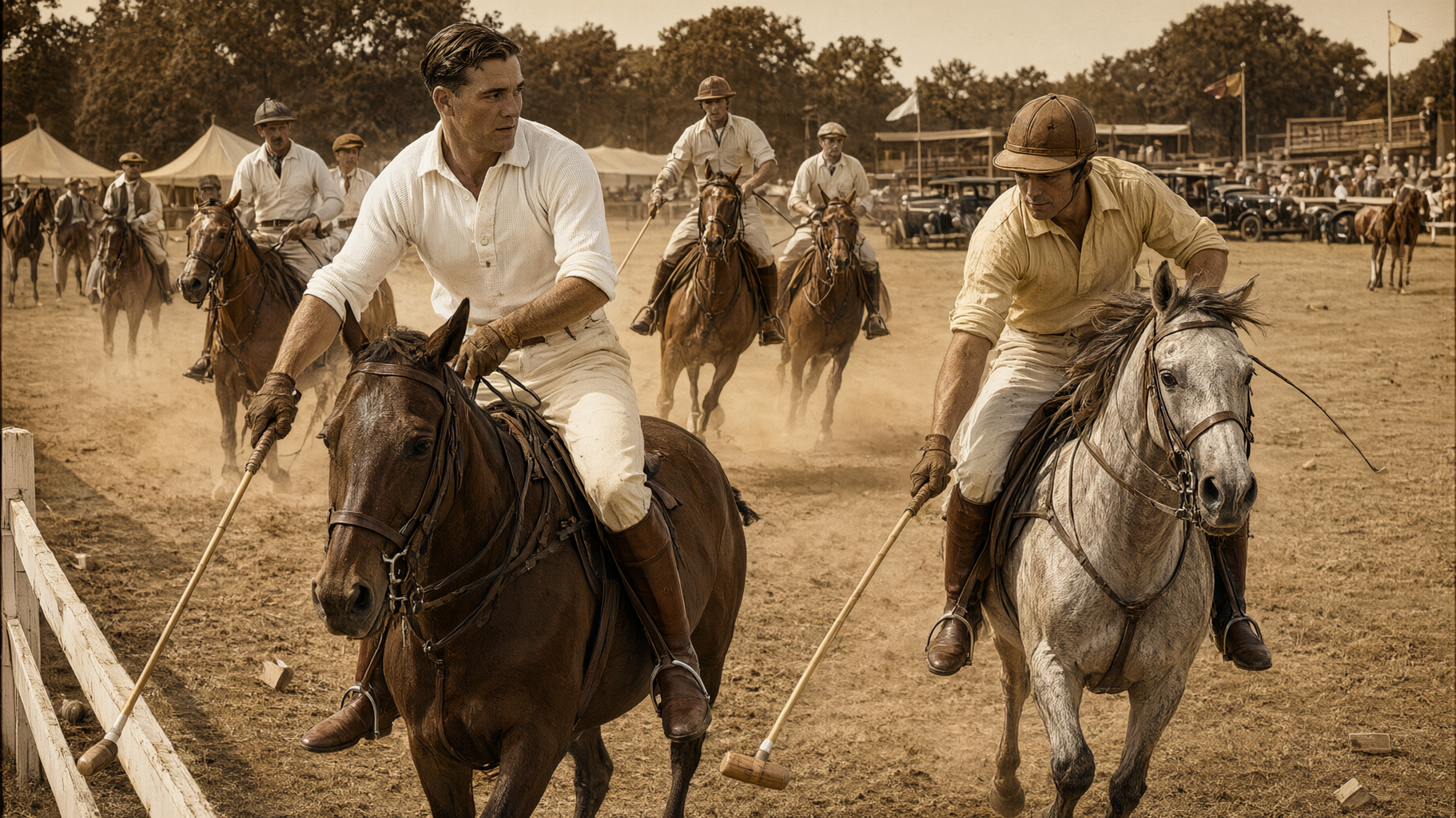
The polo shirt, a ubiquitous item in wardrobes around the world, often feels like it has always been there. Yet, its journey from specialized sportswear to a global fashion staple is a fascinating story of innovation, practicality, and cultural shifts. Understanding where this iconic garment came from and how it evolved not only offers a richer appreciation for its design but also highlights its enduring appeal.
From the Polo Fields to the Tennis Courts: A Sporting Beginning
The story of the polo shirt truly begins on, surprisingly, polo fields. In the late 19th and early 20th centuries, polo players in British India found the traditional thick, long-sleeved shirts of the time cumbersome and uncomfortable for their demanding sport. They began to experiment with lighter, short-sleeved cotton shirts, often with soft, unstarched collars that could be buttoned down to prevent flapping during play. This early adaptation, driven purely by the need for comfort and functionality, laid the groundwork for what was to come.
However, it was tennis that truly propelled the shirt into the mainstream. René Lacoste, a French tennis champion known as 'the Crocodile,' grew tired of the stiff, long-sleeved 'tennis whites' that dominated the sport in the 1920s. He designed his own shirt: a short-sleeved, loosely-knit piqué cotton shirt with a flat, extended collar, a buttoned placket, and a longer shirttail in the back to prevent it from coming untucked. Lacoste debuted this revolutionary design at the 1926 U.S. Open, and it quickly gained popularity among fellow players for its breathability and freedom of movement. In 1933, he began commercially producing his shirts, marking the birth of the modern polo shirt as we know it.
The Piqué Knit: A Revolution in Comfort
Central to the polo shirt's success is its distinctive fabric: piqué cotton. Unlike standard jersey knits, piqué (pronounced 'pee-kay') features a textured, waffle-like weave that creates a slightly raised pattern. This unique construction offers several key advantages:
- Breathability: The textured weave allows for better air circulation, making the shirt more comfortable in warm weather.
- Durability: Piqué cotton is known for its robustness and ability to withstand frequent washing and wear.
- Moisture-Wicking: Its structure helps draw moisture away from the body, keeping the wearer drier.
- Structure: It holds its shape better than a plain jersey knit, giving the shirt a more refined appearance.
The piqué knit was a game-changer for athletic wear, providing a perfect balance of comfort, performance, and a smart aesthetic. It's a testament to its effectiveness that many of today's most popular polo shirts still utilize this very fabric.
From Courtside to Casual Wear: Entering the Mainstream
While initially a sportswear item, the polo shirt's comfort and smart-casual appearance soon caught the attention of a broader audience. By the 1950s and 60s, it had transcended its athletic origins and became a symbol of relaxed sophistication. College students, suburban families, and even celebrities embraced the polo shirt for its ability to bridge the gap between formal and purely casual attire.
Key factors in its mainstream adoption included:
- Versatility: It could be dressed up with chinos or a blazer, or down with shorts and sneakers.
- Clean Aesthetic: The simple, uncluttered design appealed to a desire for understated style.
- Association with Leisure: Its connection to sports like tennis and golf gave it an aspirational, leisurely appeal.
- Brand Recognition: Iconic brands like Lacoste and later Ralph Lauren solidified its place in fashion, turning it into a status symbol.
The polo shirt became a uniform for various subcultures, from preppy East Coast style to California cool, proving its adaptability across diverse fashion landscapes.
The Modern Polo: A Timeless Staple
Today, the polo shirt remains a cornerstone of casual and smart-casual wardrobes worldwide. It has seen countless interpretations, from slim-fit contemporary designs to more relaxed, heritage-inspired cuts. Designers continue to experiment with different fabrics, colors, and details, but the core elements established by René Lacoste – the piqué knit, the soft collar, and the buttoned placket – largely endure.
Its enduring appeal lies in its unique ability to offer comfort without sacrificing style. It's more refined than a t-shirt but less formal than a button-down, making it the perfect choice for a vast array of occasions, from weekend outings to casual office environments. The polo shirt's journey from a functional piece of sportswear to a global fashion icon is a testament to thoughtful design and its timeless ability to meet the demands of modern life.
From its humble beginnings on dusty polo fields and grass tennis courts, the polo shirt has woven itself into the fabric of everyday style. Its evolution is a compelling narrative of how practical innovation can lead to enduring fashion. Next time you pull on a polo, you'll be wearing a piece of history, a garment that has been refined and embraced across generations for its perfect blend of comfort, versatility, and understated elegance.
polo shirt historyfashion evolutionmenswear historycasual wearwardrobe essentials