November 2, 2026 · Crafthomed Test
The Polo Shirt: A Guide to Its Iconic Details and What They Mean for Your Style
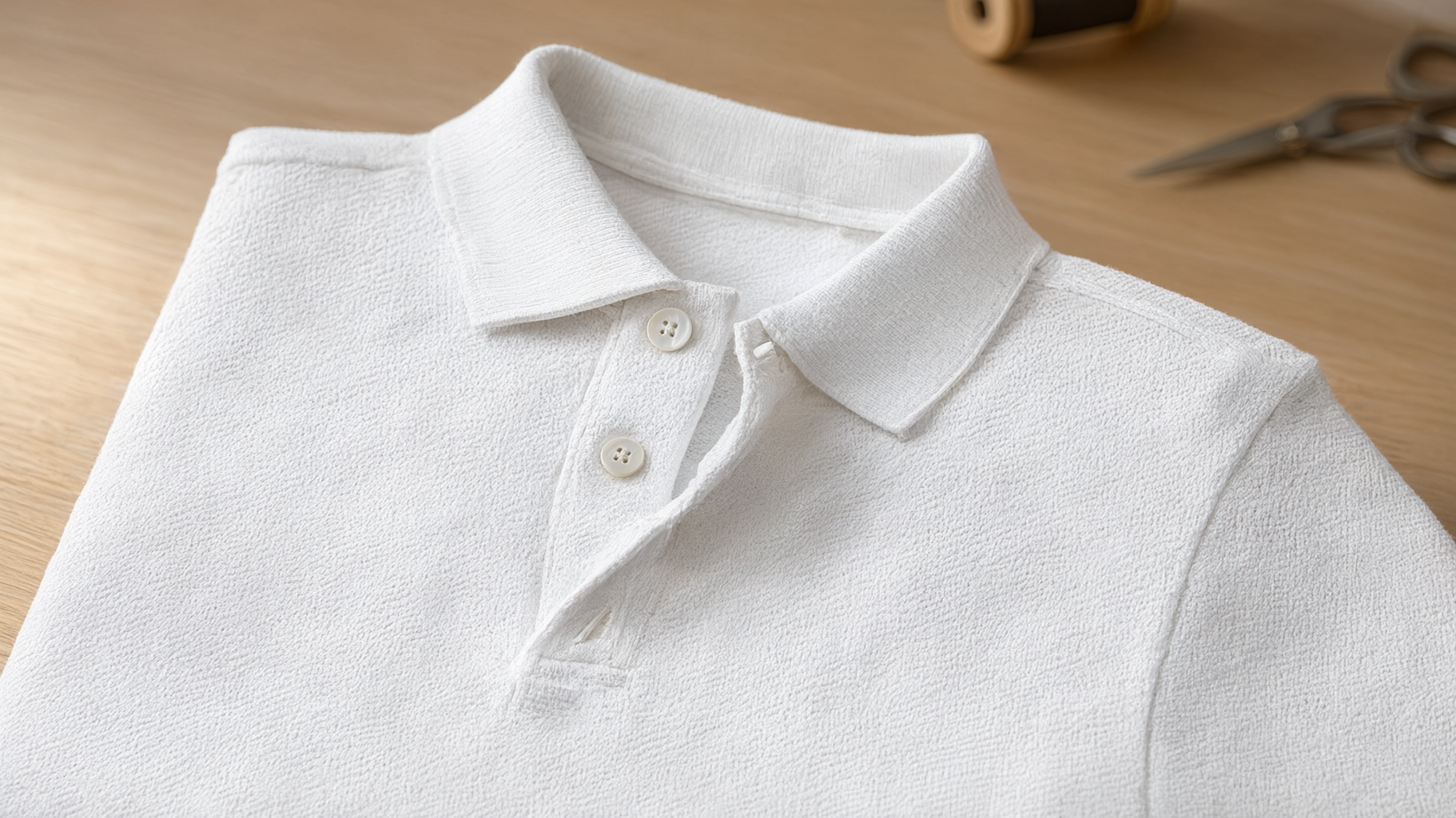
The polo shirt is a wardrobe constant, known for its blend of casual comfort and understated elegance. But what exactly makes a polo a polo? It's in the details: the fabric, the collar, the placket, and even the sleeves. These seemingly small elements are the building blocks of its enduring appeal and are crucial in determining how a polo feels, looks, and performs. Understanding these iconic details allows you to make informed choices, ensuring your polo shirts align perfectly with your personal style and the demands of your day.
The Fabric: Piqué vs. Jersey and Beyond
The most traditional and recognizable polo fabric is piqué knit cotton. Piqué is characterized by its distinct, textured waffle-like weave, which creates a breathable, durable fabric that holds its shape well. This texture also gives the polo its signature casual yet refined look. Piqué cotton is excellent for warmer weather because its weave allows for better air circulation, making it a comfortable choice for everyday wear.
On the other hand, jersey knit cotton offers a smoother, softer feel. Jersey polos tend to drape differently, often presenting a more fluid and less structured silhouette. While piqué is synonymous with the classic polo, jersey provides a modern alternative that feels softer against the skin. Beyond these two, you might encounter blends that incorporate synthetic fibers for added stretch, moisture-wicking properties, or enhanced durability, catering to specific needs like athletic performance or easy care.
The Collar: From Ribbed to Cut-and-Sewn
The collar is arguably the most defining feature of a polo shirt, setting it apart from a t-shirt. There are two primary types of polo collars:
- 'Ribbed' or 'Knitted' Collar: This is the traditional polo collar, often made from the same knit fabric as the sleeve cuffs. It typically has a slightly textured, ribbed appearance and is designed to stand up without being stiff. This collar type offers a relaxed, athletic aesthetic.
- 'Cut-and-Sewn' or 'Woven' Collar: Resembling a dress shirt collar, this type is constructed from a separate piece of fabric, often a finer cotton, and then sewn onto the polo. It's usually more structured, sometimes with a collar stand, allowing it to lay flatter and more formally. This style lends itself to a dressier, more polished look, bridging the gap between casual and business casual.
The choice between a ribbed and a cut-and-sewn collar significantly impacts the overall formality and feel of the polo, guiding how you might style it. A well-maintained collar, whether standing tall or laying flat, is key to a sharp appearance.
The 'Shirt Polo' offers a versatile design that works for many occasions.
The Placket: Buttons, Length, and Style
The placket is the strip of fabric on the front of the polo where the buttons are located. Its design influences both the aesthetic and functionality of the shirt. Here are common variations:
- Two-Button Placket: This is the most classic and common placket style. It offers a clean, understated look and is versatile for both casual and slightly dressier settings. Unbuttoning one button creates a relaxed V-neck, while leaving both buttoned maintains a more structured look.
- Three-Button Placket: A three-button placket provides a slightly more formal or traditional feel than a two-button. It allows for more adjustment in the neckline opening and can contribute to a more tailored appearance.
- Four-Button or Longer Placket: Less common, but sometimes seen in more fashion-forward or athletic polos. A longer placket can offer a deeper opening, useful for ventilation or a more dramatic neckline.
- Hidden Placket: In some designs, the buttons are concealed beneath a flap of fabric, creating a very clean, minimalist front. This style is often found in more contemporary or high-fashion polos.
The material of the buttons themselves can also vary, from simple plastic to mother-of-pearl, each adding a subtle touch of quality or character to the garment. The length of the placket dictates how much of your chest is visible when unbuttoned, influencing the overall casualness or formality.
Sleeves and Hem: Cuffs and Tails
While often overlooked, the details of the sleeves and hem also contribute to a polo's character:
- Sleeve Cuffs: Many classic polos feature ribbed cuffs, similar to the collar. These cuffs gently hug the arm, providing a neat finish. Some polos, particularly those with a more relaxed fit or modern design, may have open-hemmed sleeves, similar to a t-shirt, for a less restrictive feel.
- Hem: The traditional polo often has a 'tennis tail' or 'vented hem,' meaning the back hem is slightly longer than the front, and there are small side vents. This design originated from tennis players who needed their shirts to stay tucked in during play. Modern polos may have an even hem all around, making them suitable for wearing untucked, or a more pronounced drop-tail for a contemporary look.
Each of these details, from the weave of the fabric to the number of buttons on the placket, tells a story about the polo shirt's heritage and its intended purpose. By understanding these iconic components, you can appreciate the craftsmanship behind each garment and confidently select a polo that not only fits your body but also perfectly matches your desired aesthetic, whether you're aiming for a relaxed weekend look or a smart-casual ensemble.
polo shirtstyle guidefabriccollarplacket