
October 30, 2026 · Crafthomed Test
The Polo Shirt: A Guide to Its Global Impact and Manufacturing
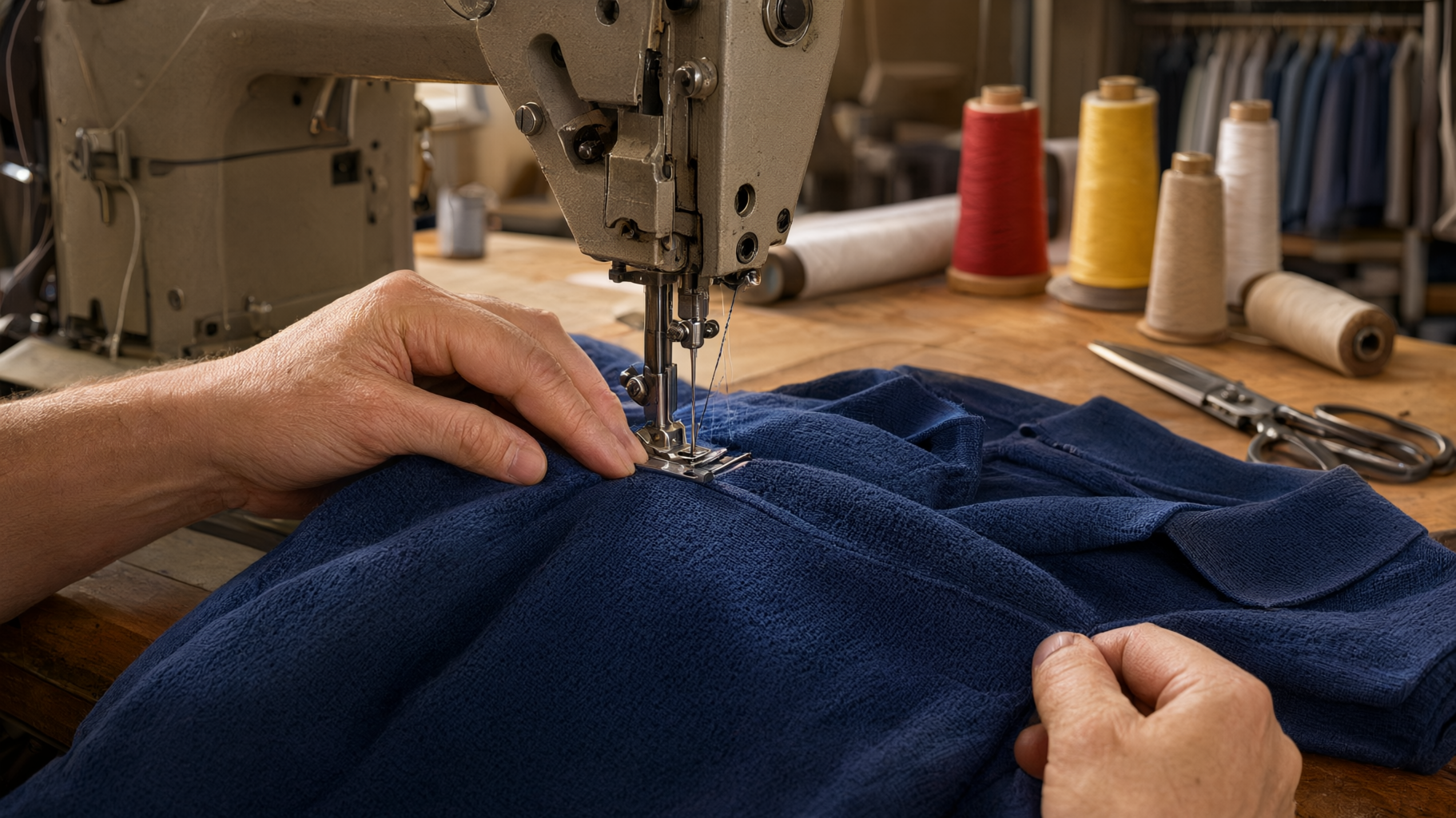
The polo shirt is a ubiquitous item in wardrobes worldwide, known for its comfortable yet refined appeal. While its style and versatility are often discussed, the journey a polo shirt takes from raw material to a finished garment on a hanger is a testament to global manufacturing and textile innovation. Understanding this process offers a deeper appreciation for the clothing we wear every day.
From Fiber to Fabric: The Foundation of a Polo
The story of a polo shirt begins long before it takes shape as a garment. It starts with the selection of fibers, most commonly cotton. Cotton is prized for its breathability, softness, and durability, making it an ideal choice for the piqué knit that defines many polo shirts. The cultivation of cotton involves specific climate conditions and agricultural practices, often spanning vast regions across different continents.
Once harvested, the raw cotton undergoes a series of processes:
- **Ginning:** Separating cotton fibers from their seeds.
- **Carding and Combing:** Aligning and cleaning the fibers to prepare them for spinning. Combing creates finer, stronger yarns.
- **Spinning:** Twisting the prepared fibers into yarn. The thickness and twist of the yarn will influence the final fabric's texture.
- **Dyeing:** Yarns can be dyed before knitting, or the fabric can be dyed after it's been knitted. This step gives the polo its color, using various dyes and processes to ensure colorfastness and vibrancy.
The choice of cotton, such as long-staple varieties, contributes to a smoother, more resilient fabric. For instance, the piqué knit, characteristic of many polo shirts, is created on specialized knitting machines that produce its distinctive textured surface. This weave is not only aesthetically pleasing but also contributes to the shirt's breathability and comfort.
The Art of Garment Construction: Bringing the Polo to Life
With the fabric ready, the next stage involves transforming flat material into a three-dimensional garment. This is where skilled pattern makers and sewers come into play, often utilizing advanced machinery alongside traditional craftsmanship.
- **Pattern Making:** Creating precise templates for each component of the polo shirt – the body, sleeves, collar, placket, and cuffs. These patterns dictate the fit and shape of the final garment.
- **Cutting:** Laying out multiple layers of fabric and using automated or manual cutters to precisely cut each piece according to the patterns. Efficiency in this stage minimizes fabric waste.
- **Sewing:** Assembling the cut pieces. This involves a sequence of operations:
- * Attaching the placket (the strip of fabric where the buttons are).
- * Sewing the collar onto the neckline. The collar's construction, often ribbed, requires careful alignment.
- * Joining the shoulder seams and attaching the sleeves.
- * Closing the side seams.
- * Hemming the bottom and sleeve cuffs.
- * Adding buttons and buttonholes, which are often reinforced for durability.
Each seam and stitch contributes to the shirt's overall quality and longevity. Attention to detail in areas like the collar and placket construction significantly impacts the shirt's appearance and how it holds up over time. A well-constructed polo shirt, like 'The Everyday Piqué Polo', showcases the culmination of these precise steps.
Explore 'The Everyday Piqué Polo' for a classic example of quality craftsmanship.
Finishing Touches and Quality Control
Before a polo shirt reaches your hands, it undergoes several crucial finishing processes and rigorous quality checks to ensure it meets desired standards.
- **Washing and Shrinkage Control:** Fabrics are often pre-washed or treated to minimize shrinkage after purchase, ensuring the garment retains its size and shape.
- **Pressing and Shaping:** The finished shirt is pressed to remove wrinkles and give it a crisp, ready-to-wear appearance.
- **Labeling and Packaging:** Care labels, brand labels, and size tags are attached. The shirt is then folded and packaged, often with protective materials.
- **Quality Assurance:** Throughout the entire manufacturing process, from fiber selection to final packaging, quality control checks are performed. This includes inspecting for fabric flaws, stitching errors, color consistency, and overall garment integrity. Any shirt that doesn't meet the standards is either reworked or rejected.
These steps are vital for delivering a product that not only looks good but also performs well and lasts. A product like the 'Shirt Polo' reflects the care taken in these final stages to present a ready-to-wear item.
Discover the ready-to-wear comfort of the 'Shirt Polo'.
The Global Journey of a Polo Shirt
The production of a polo shirt is often a global endeavor. Cotton might be grown in one country, spun into yarn in another, knitted into fabric in a third, and finally cut and sewn into a garment in yet another. This international supply chain optimizes resources, expertise, and cost-effectiveness, bringing a diverse range of products to consumers worldwide.
Understanding this global network highlights the interconnectedness of the textile industry and the numerous hands involved in creating a single garment. From the farmer tending the cotton fields to the designer sketching the initial patterns, and the skilled artisan at the sewing machine, each step is integral to the final product's quality and appeal. For example, the 'Field Tractor Polo Shirt, Comfortable Street Polo Shirt' speaks to a practical origin and robust construction, ready for diverse environments.
Explore the durable design of the 'Field Tractor Polo Shirt, Comfortable Street Polo Shirt'.
The next time you pull on a polo shirt, take a moment to appreciate the intricate journey it has taken. It's more than just a piece of clothing; it's a product of careful design, material science, skilled craftsmanship, and a complex global manufacturing process that brings comfort and style to your everyday life.
polo shirtmanufacturingproductiontextilegarment