
October 14, 2026 · Crafthomed Test
The Polo Shirt: A Guide to Ethical and Sustainable Choices
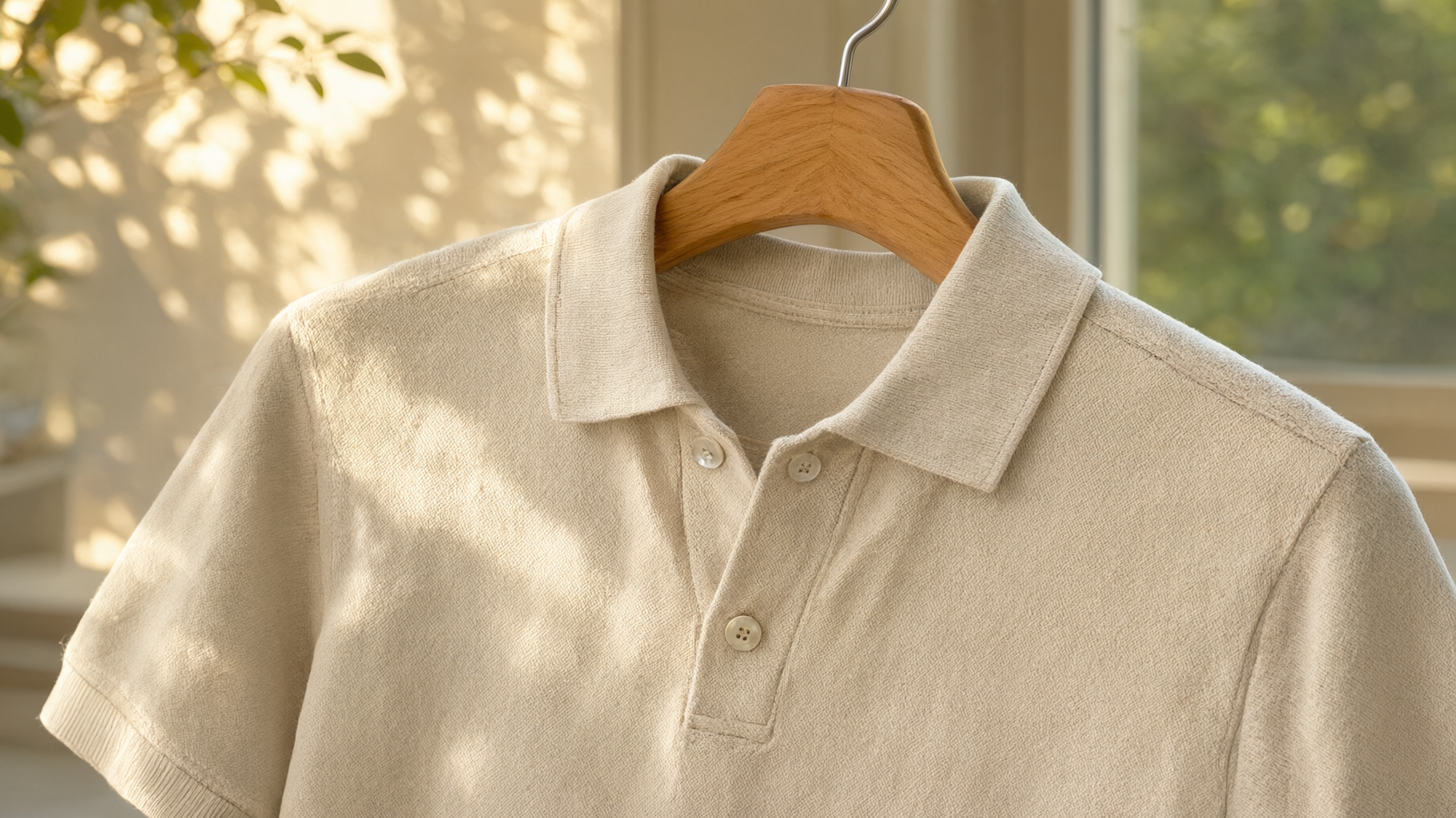
In a world increasingly aware of its impact, our clothing choices carry more weight than ever. The classic polo shirt, a staple in many wardrobes, is no exception. Beyond style and comfort, there's a growing conversation around how our clothes are made, who makes them, and what they're made from. Making ethical and sustainable choices doesn't mean sacrificing quality or style; it means aligning your purchases with your values. This guide will help you navigate the landscape of responsible fashion, focusing on the polo shirt, so you can wear your choices with pride.
Understanding Ethical Production: Beyond the Label
Ethical production in fashion refers to the fair treatment of workers throughout the supply chain. This includes fair wages, safe working conditions, reasonable working hours, and the absence of child labor or forced labor. It's about ensuring that the people who craft your clothes are treated with dignity and respect. While 'Made in X' tells you where a garment was assembled, it doesn't always tell the whole story of ethical practices. Here's what to look for:
- **Certifications:** Look for third-party certifications like Fair Trade Certified, which ensures that products are produced according to rigorous social, environmental, and economic standards.
- **Transparency:** Brands that are transparent about their supply chains, from raw material sourcing to manufacturing, often have better ethical practices. They should be able to tell you where their fabrics come from and where their garments are sewn.
- **Worker Welfare Programs:** Some companies partner with organizations or implement their own programs to support worker education, healthcare, and community development.
Choosing ethically made clothing supports better lives for countless individuals around the globe. It's a powerful way to vote with your wallet for a more just world.
Sustainable Materials: The Fabric of the Future
The environmental impact of clothing is significant, from water usage in cotton farming to microplastic pollution from synthetic fibers. Opting for sustainable materials can drastically reduce this footprint. For polo shirts, which are often made from cotton or blends, focusing on material sourcing is key.
- **Organic Cotton:** Grown without harmful pesticides and synthetic fertilizers, organic cotton uses less water and is better for soil health and biodiversity. It's a healthier choice for both the planet and the farmers.
- **Recycled Materials:** Polos made from recycled cotton or recycled polyester (rPET) divert waste from landfills and reduce the demand for new raw materials. Recycled polyester, for example, gives plastic bottles a new life as fabric.
- **Lenzing Tencel™/Lyocell:** Derived from sustainably sourced wood pulp, Tencel™ is produced in a closed-loop system that recycles water and solvents. It's known for its softness, breathability, and durability.
- **Hemp:** A highly sustainable fiber that requires minimal water and no pesticides to grow. It's durable, breathable, and gets softer with each wash.
When browsing for your next polo, consider the fabric composition not just for comfort, but for its environmental story. Our Everyday Piqué Polo is crafted with care, emphasizing quality that lasts.
Explore 'The Everyday Piqué Polo' – designed for comfort and durability.
Longevity and Care: Extending the Life of Your Polo
One of the most sustainable practices is simply making your clothes last longer. A well-made polo shirt, cared for properly, can remain a favorite for years, reducing the need for frequent replacements. This cuts down on waste and the resources needed to produce new garments.
- **Quality over Quantity:** Invest in durable, well-constructed pieces. Look for strong seams, quality stitching, and robust fabrics that will withstand regular wear and washing.
- **Proper Washing:** Follow care labels diligently. Washing in cold water, air-drying when possible, and using gentle detergents can significantly extend the life of your polo while also saving energy.
- **Repair, Don't Replace:** A small tear or loose button doesn't have to mean the end for your polo. Learning basic mending skills or taking it to a tailor can give it a new lease on life.
By choosing to mend and care for your clothes, you're embracing a more sustainable approach to fashion. This commitment to longevity is reflected in pieces like our versatile Shirt Polo, designed for lasting style.
Discover the 'Shirt Polo' – a versatile addition to your wardrobe.
Making Informed Choices: Your Role as a Consumer
As consumers, our choices have power. By asking questions, researching brands, and prioritizing ethical and sustainable attributes, we can drive positive change in the fashion industry. Look for brands that are transparent about their practices and committed to continuous improvement. Read product descriptions carefully, as they often highlight sustainable features.
It's a journey, not a destination, and every conscious choice contributes to a better future. Whether you're looking for a comfortable street polo or an everyday staple, consider its story from fiber to final stitch.
Find your next favorite with the 'Field Tractor Polo Shirt, Comfortable Street Polo Shirt'.
Choosing an ethical and sustainable polo shirt is more than just a purchase; it's an investment in quality, a statement of values, and a step towards a more responsible wardrobe. By focusing on materials, production practices, and garment longevity, you can enjoy your favorite polo knowing it aligns with a commitment to both people and the planet. Wear your choices with confidence, knowing you're part of a movement towards a better, more thoughtful fashion industry.
polo shirtsustainable fashionethical clothingeco-friendlyconscious consumer