September 14, 2026 · Crafthomed Test
Finding Your Perfect Polo: A Guide to Fabrics and Features
The polo shirt has earned its place as a true wardrobe essential, bridging the gap between casual T-shirts and more formal button-downs. It's a versatile piece that can be dressed up or down, making it suitable for a wide range of occasions, from a relaxed weekend brunch to a casual office setting. But with so many options available, how do you choose the 'perfect' polo? The answer often lies in understanding the nuances of its construction – specifically, the fabric and key features that contribute to its overall feel, look, and longevity.
Beyond just picking a color you like, delving into the material and design details can elevate your polo game. A well-chosen polo can offer superior comfort, better drape, and a more polished appearance. Let's explore what makes a polo shirt truly stand out.
Understanding Polo Shirt Fabrics
The fabric is the foundation of any garment, and polo shirts are no exception. Different weaves and materials offer distinct benefits.
Piqué Cotton: The Classic Choice
When you think of a traditional polo, you're likely picturing piqué cotton. This distinct fabric is characterized by its textured, waffle-like weave, which gives it a slightly raised, dimensional surface. Piqué cotton is known for its breathability and durability, making it an excellent choice for warmer weather and active lifestyles. The textured surface allows for better air circulation, keeping you cooler than a smooth knit might. It also tends to hold its shape well and has a more casual, sportier aesthetic.
Jersey Cotton: Smooth Comfort
In contrast to piqué, jersey cotton polos feature a smooth, flat knit. This fabric is incredibly soft against the skin, offering a more luxurious and comfortable feel. Jersey polos tend to drape more fluidly than their piqué counterparts, giving them a slightly more refined and dressy appearance. They are often a good choice for those who prefer a sleeker look or for cooler weather when a smoother fabric might feel more comfortable layered under a jacket or sweater. While not as breathable as piqué, jersey cotton still offers good comfort for everyday wear.
For a smooth and comfortable option, consider our Shirt Polo, a versatile piece for any occasion.
Blends and Performance Fabrics
Beyond 100% cotton, many polos incorporate blends or synthetic performance fabrics. These often combine the best attributes of natural and man-made fibers. For example, a cotton-polyester blend might offer the softness of cotton with the wrinkle resistance and moisture-wicking properties of polyester. Performance polos are specifically designed for active wear, featuring technologies that manage sweat, offer UV protection, and provide enhanced stretch and recovery. These are ideal for sports, travel, or any situation where comfort and functionality are paramount.
Key Features to Consider
Once you've settled on a fabric, several other features contribute to a polo's overall appeal and fit.
The Collar: Structure and Style
A well-constructed collar is crucial for a polished look. Look for collars that have a good amount of stiffness or structure, as this prevents them from collapsing or looking sloppy throughout the day. Some collars feature a ribbed knit, while others are cut from the same fabric as the body. The placket (the strip of fabric where the buttons are) should also be neatly sewn and lie flat.
Sleeve Type: Short, Long, or Ribbed
Most polos come with short sleeves, often finished with a ribbed cuff. A well-fitting sleeve should hit around mid-bicep and not be too baggy or too tight. Some polos also come in long-sleeve versions, offering a different styling option for cooler weather or a more refined look. The ribbed cuff on short sleeves helps the sleeve maintain its shape and provides a clean finish.
Buttons: Material and Number
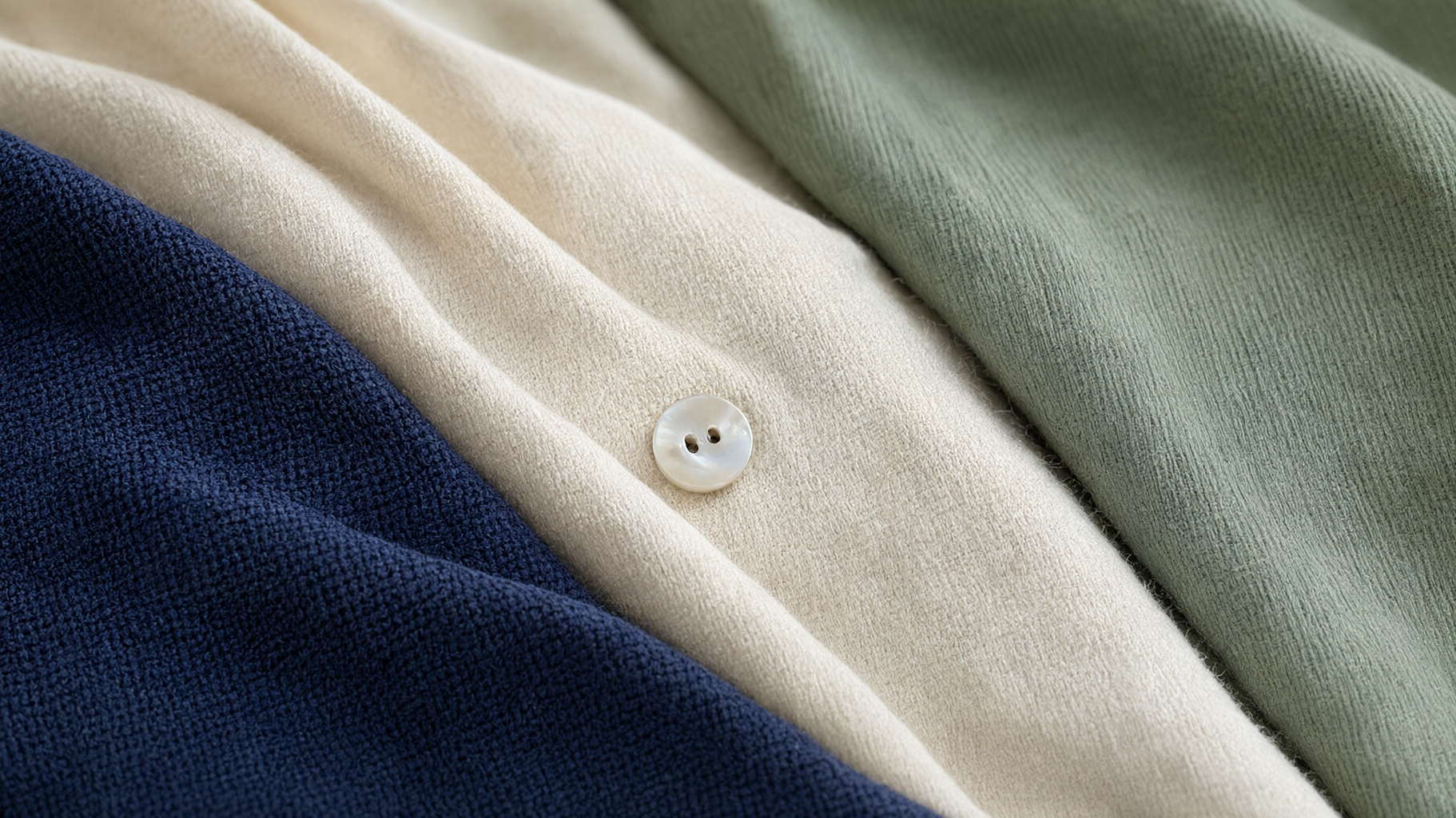
While seemingly minor, the buttons can impact the overall impression. High-quality buttons, such as mother-of-pearl or durable resin, add a touch of sophistication. Most polos feature two or three buttons on the placket. A two-button placket tends to be more casual, while three buttons can lend a slightly dressier feel.
Fit: Slim, Classic, or Relaxed
The fit of a polo is paramount to its appearance. A classic fit offers a comfortable, slightly relaxed silhouette. Slim fit polos are more tailored through the chest and waist, creating a modern, streamlined look. Relaxed fit polos provide maximum comfort and freedom of movement, ideal for very casual settings or layering. Consider your body type and personal style when choosing the ideal fit. A polo should never be constricting, but it also shouldn't be overly baggy.
For a comfortable street style that balances fit and ease, check out our Field Tractor Polo Shirt.
Making Your Choice
When you're ready to add a new polo to your collection, consider these points:
- **Occasion:** Is it for active wear, casual outings, or a smart-casual office environment?
- **Climate:** Do you need something breathable for heat, or a smoother fabric for layering?
- **Personal Style:** Do you prefer the textured look of piqué or the smooth drape of jersey?
- **Durability:** Are you looking for a polo that will withstand frequent washing and wear?
- **Comfort:** Which fabric feels best against your skin for extended periods?
By taking a moment to think about fabric types and key design elements, you can move beyond simply choosing a color and truly find a polo shirt that not only looks great but also feels right and meets your specific needs. The perfect polo is out there, waiting to become a staple in your rotation.
polo shirtsfabric guidestyle tipsmen's fashionwardrobe essentials